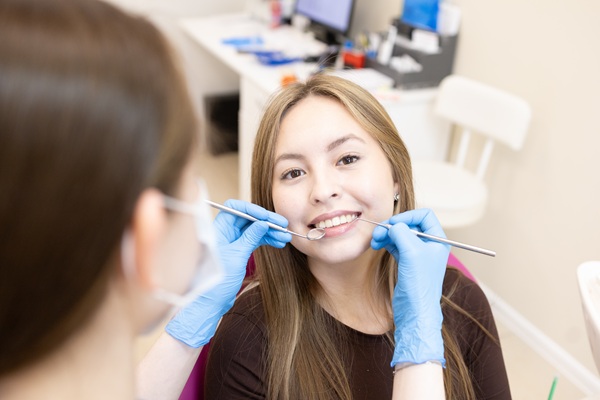
A cosmetic dentist frequently helps patients choose between dental bonding and veneers to achieve a brighter, more symmetrical smile. Both procedures effectively resolve many impurities. However, the ideal selection centers on the current condition of the teeth, the specific aesthetic goals, and the desired longevity of the results.
Why cosmetic dentists like the efficiency of dental bonding
Dental bonding comprises a tooth-colored composite resin that the cosmetic dentist applies directly to the tooth surface. The material remains pliable during the shaping process, which allows for intricate corrections to chipped edges or small gaps between teeth. Once the shape simulates a natural tooth or its contours, a specialized curing light hardens the resin instantly, creating a secure attachment.
Bonding appeals primarily to those seeking a rapid transformation with a lower upfront financial investment. It serves as an excellent solution for minor reshaping or small improvements to the overall tooth contour. However, the material lacks the total stain resistance of ceramic materials and may require more frequent maintenance, but it remains ideal for one or two less-than-appealing teeth.
Why cosmetic dentists prefer the longevity of dental veneers
Veneers consist of thin, custom-crafted shells of porcelain—a type of ceramic material— that cover the entire front surface of a tooth. These restorations change the color, shape, and overall symmetry of the smile with precision, easily concealing all impurities. The cosmetic dentist places veneers by removing a small amount of enamel to ensure the shells sit flush with the gumline. This preparation creates a seamless transition that looks and feels exactly like a natural tooth.
Porcelain remains the gold standard for a complete smile transformation because it resists stains and reflects light like natural enamel. This material handles more significant concerns, such as major spacing issues or deep, permanent discoloration that whitening cannot resolve. Because these restorations are fabricated in a professional dental laboratory, they provide a high level of consistency across an entire arch. A successful outcome requires healthy supporting tissues and a stable bite to ensure the porcelain remains intact.
What makes a successful outcome
Tooth health always remains the priority before any aesthetic work begins. Active cavities or gum inflammation require immediate treatment to ensure the foundation of the smile stays strong. The cosmetic dentist also evaluates bite forces, as excessive clenching or grinding increases the risk of chips in both composite and porcelain restorations. In many cases, a custom nightguard protects the new restoration from unnecessary wear during sleep. Lifestyle habits and dietary choices also influence which material performs best over the long term.
A thorough evaluation includes high-resolution photos and digital scans to map the unique anatomy of the mouth. The cosmetic dentist discusses the desired shade and identifies where symmetry changes have the greatest impact on the facial profile to determine which option will provide the best results.
Schedule a consultation
Dental bonding and porcelain veneers both offer attractive options for a better smile, but they serve different purposes. Our cosmetic dentist determines the most appropriate approach by evaluating the stability of the bite and the health of the enamel. To schedule a consultation, contact Constance E. Smith DDS, PC today.
Request an appointment here: https://www.jacksonsmiledoctors.com or call Constance E. Smith DDS, PC at (517) 312-2115 for an appointment in our Jackson office.
Check out what others are saying about our dental services on Yelp: Cosmetic Dentist in Jackson, MI.
Related Posts
Traditionally,dental restorations require an individual to have a physical impression of their mouth taken. Impressions are necessary to accurately create an indirect dental restoration, which are restoration made outside of the oral cavity and applied at a later time. Dental crowns, veneers, inlays and onlays are all examples of restorations that require impressions in order to…
Dental restoration procedures can be used to repair damaged teeth and restore their function. Many of these treatments also address aesthetic issues affecting the tooth. Teeth are one of the strongest parts of the body, but they also deal with many things that can damage them, like acids, bacteria and bite forces. Teeth can also…
A dental restoration is administered by dentists to help patients repair teeth that have become damaged from injuries or cavities. There are a lot of different dental restoration options, each benefiting patients in different ways. Knowing which procedure is best requires careful consideration and the assistance of a dentist. Ready to learn more?The following information…
Direct and indirect dental restorations are the two types of restorations available. When your teeth are broken, chipped, decayed or cracked, dental restoration procedures restore the teeth to their original state. The choice of the type of restoration depends on the nature and severity of the tooth problem.Read on to find out the main differences…